What Is a Mortise Lock and Why Nashville Homes Still Rely on Them
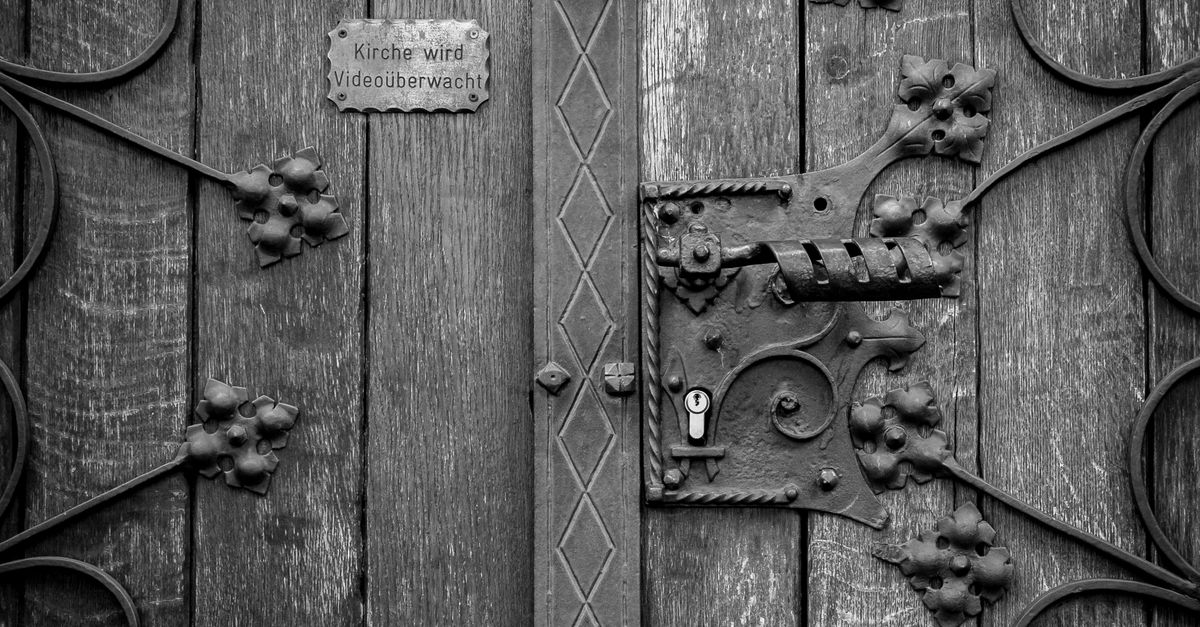
A mortise lock is a lock body that sits inside a precisely routed pocket — the mortise — cut into the edge of the door itself, rather than surface-mounted the way a standard cylindrical deadbolt is. The result is a mechanism that is mechanically stronger, harder to kick in, and capable of combining a latchbolt, deadbolt, and sometimes even a passage function all in one compact unit. That's why builders in Nashville's historic neighborhoods specified them on nearly every exterior and interior door from roughly the 1880s through the mid-1960s, and why so many of those doors are still doing daily work more than a hundred years later.
The core components include the lock body (the cast steel or brass case mortised into the door), the mortise lock cylinder (the removable plug that accepts the key), the trim — usually an escutcheon plate and lever or knob — and the strike plate mortised into the door frame. Each of those components can fail independently, which is actually good news: a skilled locksmith can often restore a mortise lock by servicing or replacing just one part rather than pulling the entire assembly.