
Signs Your Door Knob Lock Replacement Cannot Wait
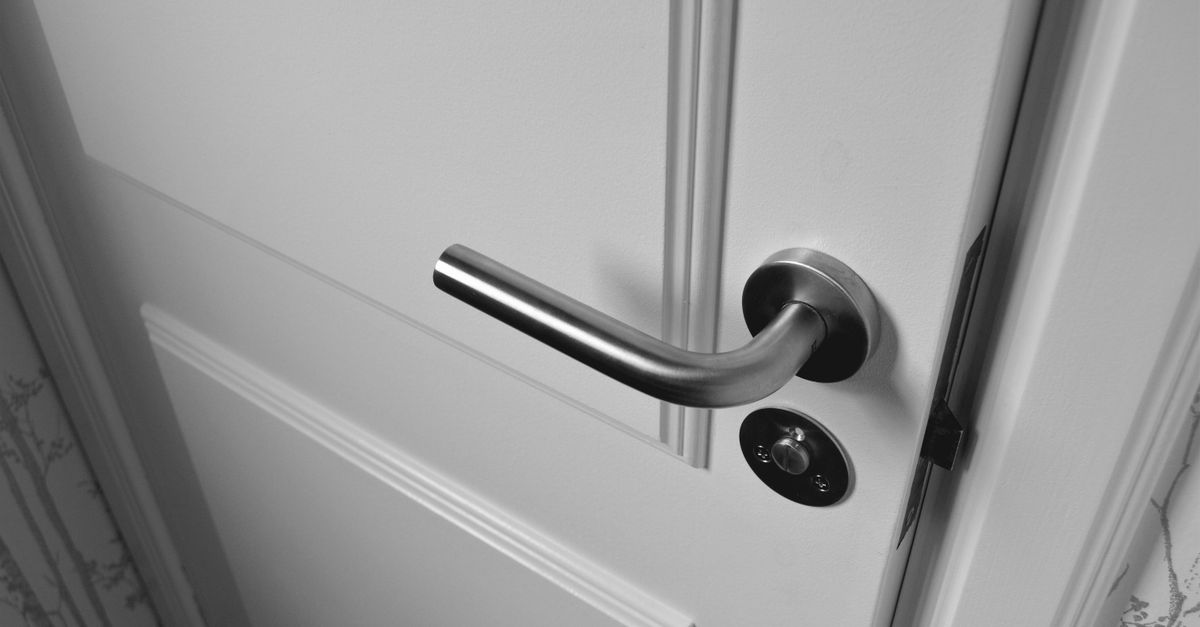
A worn knob lock rarely fails all at once. Instead, it sends warnings: the key starts binding in the cylinder, the knob wiggles noticeably side to side, the latch does not retract smoothly, or the lock accepts the key but refuses to turn. Nashville's climate swings — humid summers, occasional hard freezes in winter — accelerate wear on internal springs and pins faster than most homeowners expect. If your lock door knob has reached any of these stages, continuing to force it risks snapping a key inside the cylinder, which turns a simple replacement into a more involved extraction job. Acting at the first sign of trouble is always the smarter call.
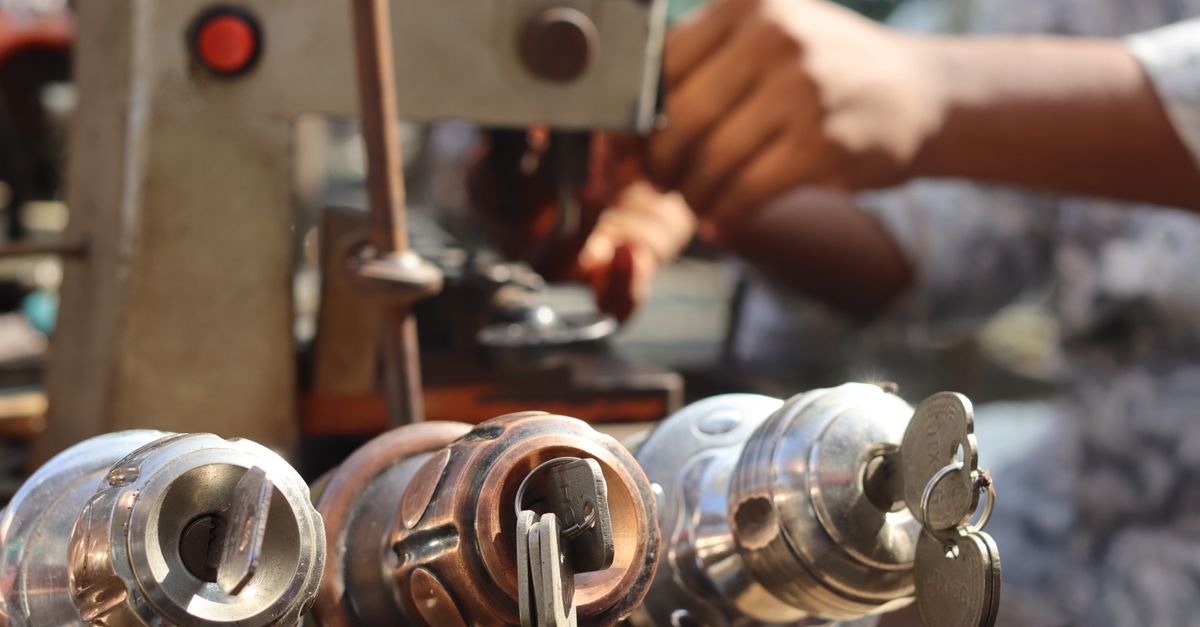
Jammed or frozen knob locks are especially common in older housing stock. Many Nashville homes built before the 1980s were fitted with a double lock door knob setup or a traditional mortise lock system rather than a modern cylindrical knob-and-deadbolt combination. Mortise locks in particular — recessed into a pocket carved into the door edge — have more moving parts and require a technician who understands their geometry. Our team works on mortise lock hardware daily, from vintage skeleton-key units to modern European-style mortise cylinders, and we carry replacement components for the most common configurations on every service vehicle.