How Car Key Replacement Works by Vehicle Brand
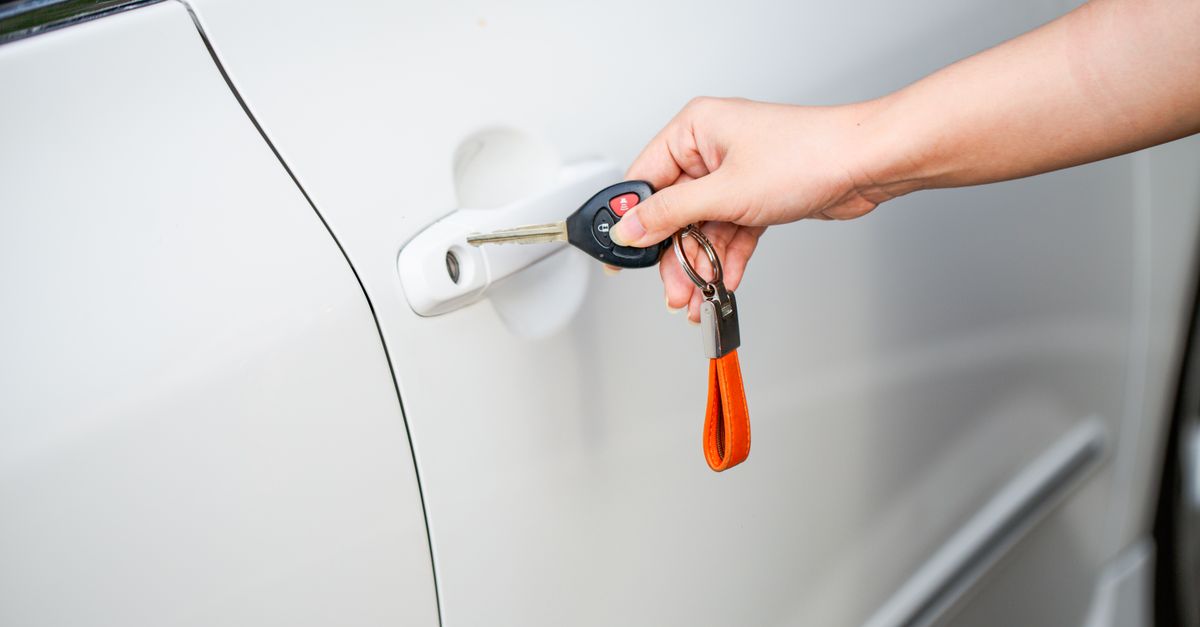
Not every key is made equal, and the brand of your vehicle determines everything from the blade cut style to the transponder chip frequency and the programming protocol we use. Ford and Lincoln vehicles, for instance, typically use PATS (Passive Anti-Theft System) transponders and tibbe or standard cuts depending on the model year, while GM vehicles — Chevrolet, Buick, GMC, Cadillac — rely on a combination of high-security laser-cut keys and rolling-code key fobs that must be synchronized directly to the BCM (body control module). Toyota and Lexus keys, especially post-2010 models, often use a proximity smart key system requiring a specialized OBD-II pin extraction step before programming can begin. Honda and Acura, Nissan and Infiniti, Subaru, and Hyundai/Kia each have their own immobilizer generations that demand brand-matched programming software — not a generic one-size-fits-all device.
European makes add another layer of complexity. BMW and MINI key fobs use an encrypted rolling code tied to the CAS or FEM control module, and certain models require all existing keys to be re-synced any time a new one is added. Mercedes-Benz proximity keys (particularly post-2014 models) involve EIS/ESL coordination, meaning the work must be performed in a very deliberate sequence to avoid locking the system. Volkswagen and Audi vehicles with MQB platform immobilizers require an ID48 or ID47 chip and a dealer-level OBDII coding session. Regardless of brand, our technicians arrive with the exact blade blanks, transponder chips, and brand-specific programming hardware needed — no guesswork, no second trips.