Pro Nashville Locksmith Service Team
Local locksmith team
Oct 1, 2026 12 min read
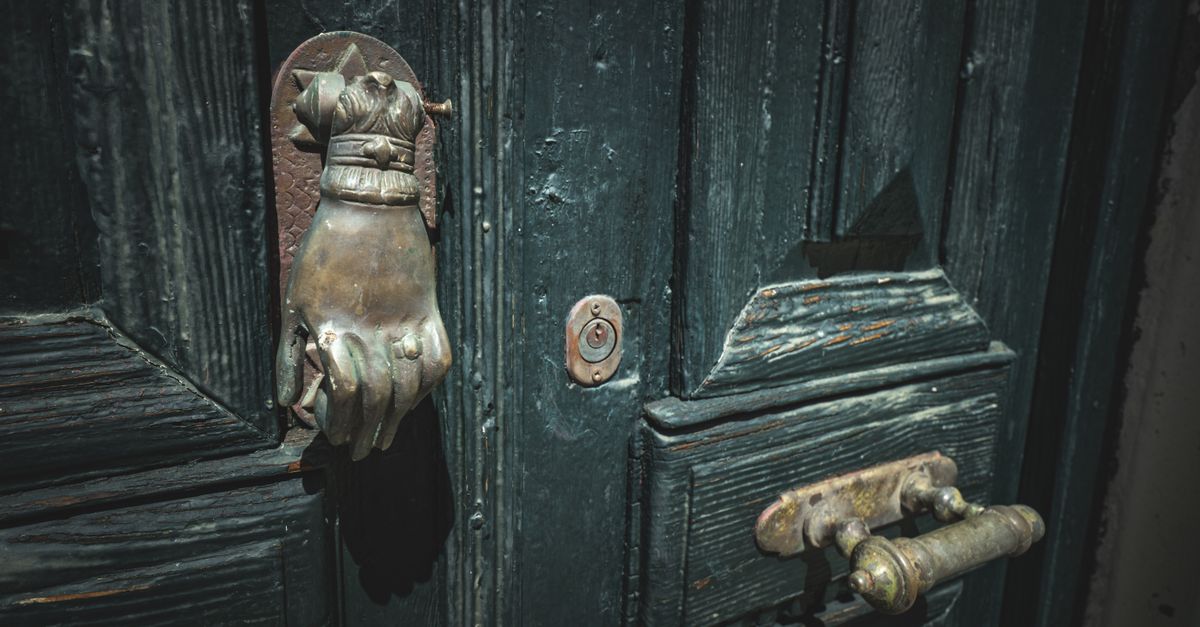
If you own a home in East Nashville, Germantown, or one of the other historic neighborhoods tucked between the Cumberland River and the city's ever-expanding skyline, there is a good chance the door hardware on your front entry is older than your parents — and possibly older than your grandparents. Nashville's pre-war bungalows and Victorian-era craftsman houses were almost universally fitted with a style of lockset that most modern homeowners have never had to think about: the mortise lock. Understanding what you have, why it matters, and what your real options are when something breaks is the difference between a quick fix and an expensive headache.
This guide walks you through exactly how to tell whether your door has a mortise lock or a cylindrical lock, what each type means for day-to-day security, and how a professional locksmith Nashville homeowners can actually trust will approach repair and replacement. We will also cover some smart upgrade paths — including whether a smart mortise lock makes sense for a century-old door — so you can make a confident decision before anyone touches your hardware.
## What Is a Mortise Lock — and How Do You Spot One?
A mortise lock is a self-contained locking mechanism that lives inside a rectangular pocket — the 'mortise' — cut directly into the edge of the door. Instead of a simple bored hole the way a modern knob or lever lock uses, the mortise pocket is large, typically three to four inches tall and an inch or more deep, and the lock body slides into it like a cassette. On the face of the door you will see a long, narrow faceplate running vertically along the edge. On the interior side you will usually find a cast-metal escutcheon plate that frames both the keyhole and the thumb-turn or knob spindle together in one elegant piece. That escutcheon is often the giveaway: if your door hardware looks like it belongs in a period film — ornate, all one connected piece, with a skeleton-key hole rather than a modern oval cylinder — you almost certainly have a mortise lock set.
Cylindrical locks, by contrast, are what most people picture when they think of a standard deadbolt or door knob lock. They use two round bores drilled through the door face — one large (for the knob or lever body) and one smaller (for the latch bolt on the door edge) — and the mechanism is split between the two sides of the door. They are easier and cheaper to manufacture and install, which is why they became dominant after World War II. If your door was built or significantly renovated after the mid-1950s, a cylindrical lock is the likely default. Historic Nashville homes built in neighborhoods like Lockeland Springs, Edgefield, or 12 South before that era almost always have mortise hardware, and many were never converted.
## The Mortise Lock Cylinder: Where Most Problems Actually Start
Here is a detail that surprises many homeowners: the mortise lock itself rarely fails catastrophically. The heavy iron or brass body inside the door is built to last generations — and it often does. What does wear out is the mortise lock cylinder, the smaller plug-style insert that your modern key (or old skeleton key) actually turns. Over decades of use, cylinder pins wear, tumblers corrode, and the cam that connects the cylinder to the lock body can shear or slip. The result feels like the lock is broken when really only one serviceable component has given out.
A skilled locksmith can often re-key or replace just the cylinder without disturbing the rest of the mortise body — a much less invasive repair than pulling the entire lock set and re-mortising the door. Brands like Corbin Russwin mortise lock hardware and Baldwin mortise lock products are common in Nashville's older commercial and residential buildings and have generally maintained consistent cylinder dimensions over the decades, which makes sourcing replacement cylinders practical. If a locksmith tells you the entire door needs to be replaced before they have even examined the lock body, get a second opinion from our team first.
## Mortise Lock Set vs. Cylindrical: Security, Repairability, and Replacement Reality
From a pure security standpoint, a properly maintained mortise lock set is genuinely robust. The lock body engages with the door frame across a larger surface area than most cylindrical deadbolts, the mechanism is harder to manipulate through the door face, and the solid metal construction resists the kind of wear that causes cylindrical locks to feel loose and rattly over time. That said, an old mortise lock with a worn cylinder or a loose, misaligned strike plate is not protecting you the way it once did — and many historic Nashville homes have door frames that have shifted with the seasons, creating gaps that compromise even good hardware.
Cylindrical locks, including the door knob lock and lever sets you see on almost every newer home, are far easier to source and swap out. Parts are standardized, hardware stores stock them, and installation is measured in minutes rather than hours. The trade-off is that they generally engage a narrower portion of the frame and can be more vulnerable to kick-in attacks if the strike plate is not reinforced. Neither type is inherently superior — the right answer depends on the condition of your specific door, frame, and hardware. A mortise lock set on an exterior door that is properly maintained and fitted to a solid wood door in good condition is an excellent security asset. One that is neglected, misaligned, or has a cracked body is a liability regardless of its age or pedigree.
If you are in the 37209 zip code — which covers the Sylvan Park and West Nashville neighborhoods along Charlotte Pike and past the Nations — you are squarely in an area where mid-century bungalows mix with newer infill construction. That means we regularly see both hardware types on the same block and sometimes on different doors of the same house. Knowing which type you have before you call for service saves time and helps our team arrive with the right parts.
## Smart Mortise Lock Upgrades and When Conversion Makes Sense
One question we hear often from Nashville homeowners who want keypad or app-controlled access is whether they have to tear out their beautiful antique hardware to get it. The short answer is: not necessarily. A smart mortise lock is a real product category, and several manufacturers produce modern lock bodies built to the same rectangular mortise pocket dimensions used in historic hardware, so the door itself does not need to be re-bored or re-mortised. These units give you electronic access control — key codes, remote locking, access logs — while preserving the profile and finish character of period doors. They are a practical option for homeowners who want modern convenience without sacrificing the architectural integrity of a Germantown row house or a Edgefield Victorian.
Conversion to a cylindrical system is another legitimate path, particularly when the mortise pocket has been damaged, the door edge has cracked around the old body, or the homeowner simply wants the widest possible choice of future hardware. This is a more involved job — it requires filling the old mortise pocket, possibly reinforcing the door edge, and drilling new bores — and it should be done by an experienced locksmith or carpenter, not as a DIY project on a door that cannot easily be replaced. Our team can assess your specific door and walk you through which direction makes sense before any work begins. Call (704) 850-6756 any time — we answer around the clock and can often give you a clear picture of your options over the phone before we even dispatch.
When it comes to cost, the factors that shape your final quote include the type of lock hardware involved, the condition and thickness of your door, the parts required (a cylinder swap is a very different job from a full lock body replacement or a smart lock retrofit), the time of day, and travel distance to your location. We confirm an exact price before any work starts — no surprises after the job is done.
## What Pro Nashville Locksmith Can Do With Your Historic Door Hardware
Whether you are locked out of a house on Fatherland Street in East Nashville at 2 a.m., need to re-key a rental property before a new tenant moves in, or want a full security assessment of an older commercial building downtown, our team handles the full range of residential and commercial locksmith work across the Nashville area. Here is a representative picture of what that looks like in practice:
Mortise lock repair and restoration — Mortise lock cylinder replacement and re-keying — Mortise lock set installation on exterior and interior doors — Cylindrical deadbolt and door knob lock installation and repair — Smart mortise lock retrofit and programming — Key duplication for antique and modern key profiles — Lock-out response for residential properties — Commercial locksmith services including master key systems — Access control system installation and integration — High-security lock upgrades for residential front entries — Padlock and gate lock service — Sliding door and patio door lock repair — Window lock installation and repair — Safe opening and combination changes — Automotive lockout response — Car key programming and transponder key cutting — Key fob replacement and programming — Broken key extraction from lock cylinders — Door frame and strike plate reinforcement — Mailbox and cabinet lock service — Intercom and electronic access integration — Storage unit lock service — Eviction lock changes with proper documentation — Construction site rekeying and master key setup — Emergency locksmith response 24 hours a day, seven days a week across Metro Nashville. Every job begins with a clear assessment and an upfront price confirmed before work starts — whether it is a straightforward cylindrical deadbolt swap or a complex mortise lock restoration on a century-old craftsman door.
## Choosing the Right Path: Practical Next Steps for Nashville Homeowners
If you are unsure what kind of hardware is on your door, the fastest way to find out is to look at the door edge with the door open. A long, thin rectangular faceplate running four inches or more vertically, often with multiple latch openings visible, means mortise. Two small round holes — one for the latch bolt and one for a separate deadbolt — almost certainly means cylindrical. You can also look at the interior escutcheon: one connected plate housing keyhole and knob together means mortise; two completely separate pieces of hardware means cylindrical.
Once you know what you have, resist the urge to force anything that is sticking or to remove hardware without understanding how it is assembled. Old mortise lock bodies can be intricate, and disturbing them without knowing the mechanism can make a simple re-key into a full replacement job. The smarter move is to call our team — describe what you see, and we can often tell you over the phone what the likely repair path looks like. We are a mobile locksmith operation, which means we come to you anywhere in the Nashville area, fully equipped, with no shop visit required. That matters when the problem is at a door that cannot be left unsecured while you drive somewhere.
Frequently asked questions
What is a mortise lock and how is it different from a regular deadbolt?+
A mortise lock is a complete locking mechanism — including latch, deadbolt, and often a privacy function — housed in a single metal body that fits inside a rectangular pocket cut into the door edge. A regular deadbolt (cylindrical lock) uses two round bores drilled through the face of the door and is split between an exterior and interior component. Mortise locks are common on pre-1950s homes, are generally heavier and more complex, and require a different approach to repair and re-keying than standard cylindrical hardware.
How much does a locksmith cost in Nashville for mortise lock work?+
The price for any locksmith job depends on several factors: the type and age of the lock hardware, whether parts need to be sourced or are on the truck, the complexity of the job (a cylinder re-key is much simpler than a full mortise lock body replacement), the time of day, and your location within the Nashville area. Emergency calls at off-hours and jobs requiring specialty parts for vintage hardware will be factored in differently than a straightforward daytime re-key. What we always do is confirm an exact price with you before any work begins, so there are no surprises.
Can I upgrade to a smart lock if I have an old mortise lock on my Nashville home?+
Yes, in many cases you can. Smart mortise lock products are designed to fit the same rectangular pocket dimensions as historic mortise hardware, so your door does not need to be re-bored. This lets you add keypad or app-based access while keeping the original door profile intact — a real benefit on architecturally significant homes in neighborhoods like Germantown or Edgefield. Whether a smart retrofit is feasible depends on your specific door thickness, the condition of the mortise pocket, and the finish you want. Our team can assess your door and walk you through compatible options.
What should I do if I am locked out and cannot afford a locksmith right now?+
Start by checking every other entry point — back door, garage entry, a window that may be unlocked — and see whether a neighbor, landlord, or family member has a spare key. If you are a renter, your property manager may be required to assist. If none of those options are available, calling a professional locksmith is still your safest and most practical path: forcing entry yourself risks damaging the door, the frame, or the lock, which typically costs far more to repair than the lockout service itself. We can discuss your situation and confirm a clear price before dispatching, so you know exactly what to expect. Call (704) 850-6756 — we are available 24 hours a day, every day.